Best time to visit Abbey Archway Inn — month-by-month
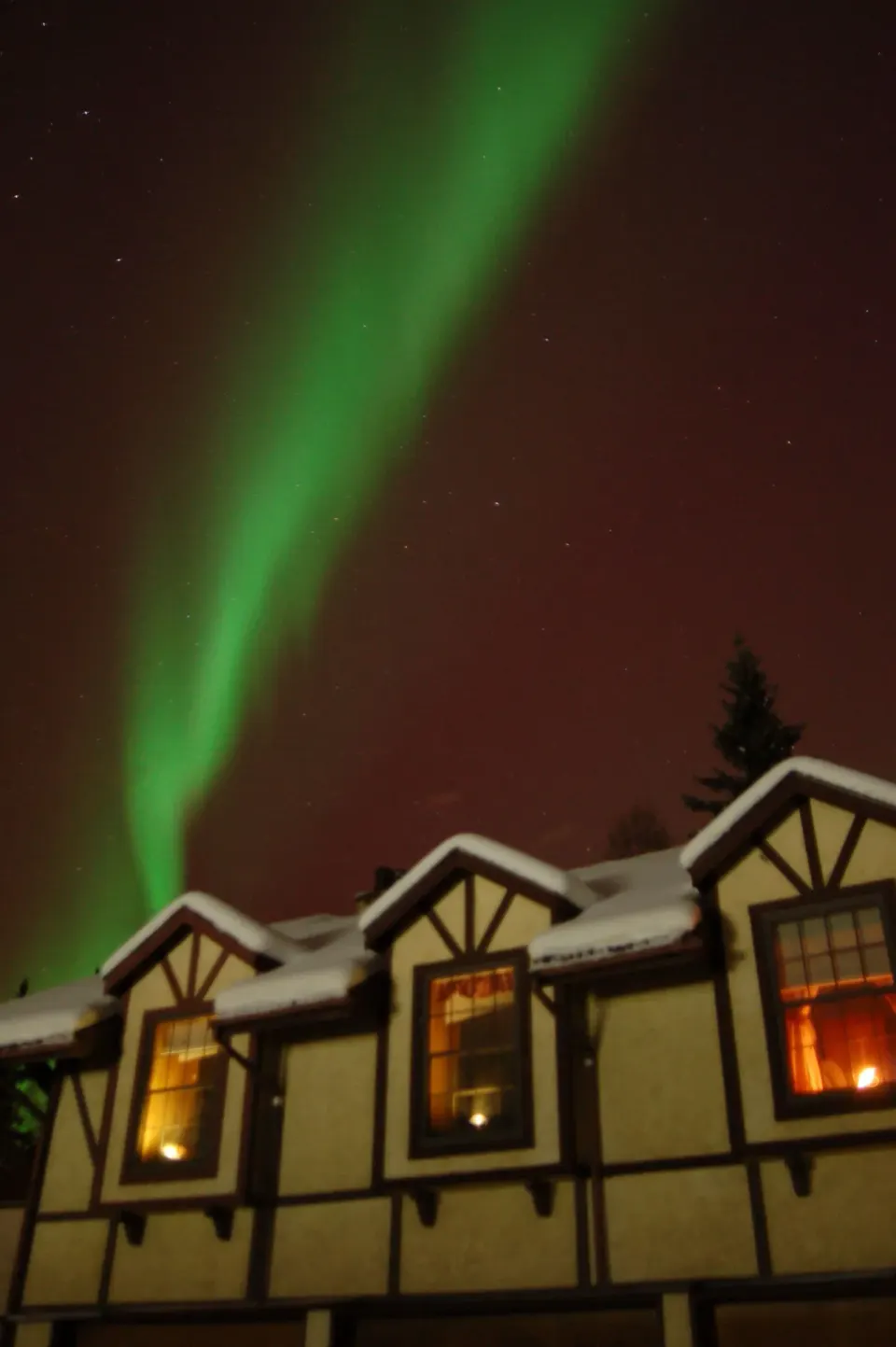
Best time depends on your priorities: visit July–August for the warmest weather, longest days, and easy access to hiking, boating, and botanical gardens; visit late August through April for aurora season, with peak viewing odds in September–March and the darkest nights in December–January. Shoulder months (May–June, late February–March) balance milder conditions with good daylight or aurora potential.
In this guide
- Overview: What Abbey Archway Inn offers year-round
- Summer (June–August): Long days and outdoor activities
- Aurora season (late August–April): When to aim for the Northern Lights
- Winter (December–February): Cold, dark—and strong aurora potential
- Spring and early fall (March–May, September–October): Shoulder seasons
- Practical tips: Picking dates, rooms, and what to pack
Overview: What Abbey Archway Inn offers year-round
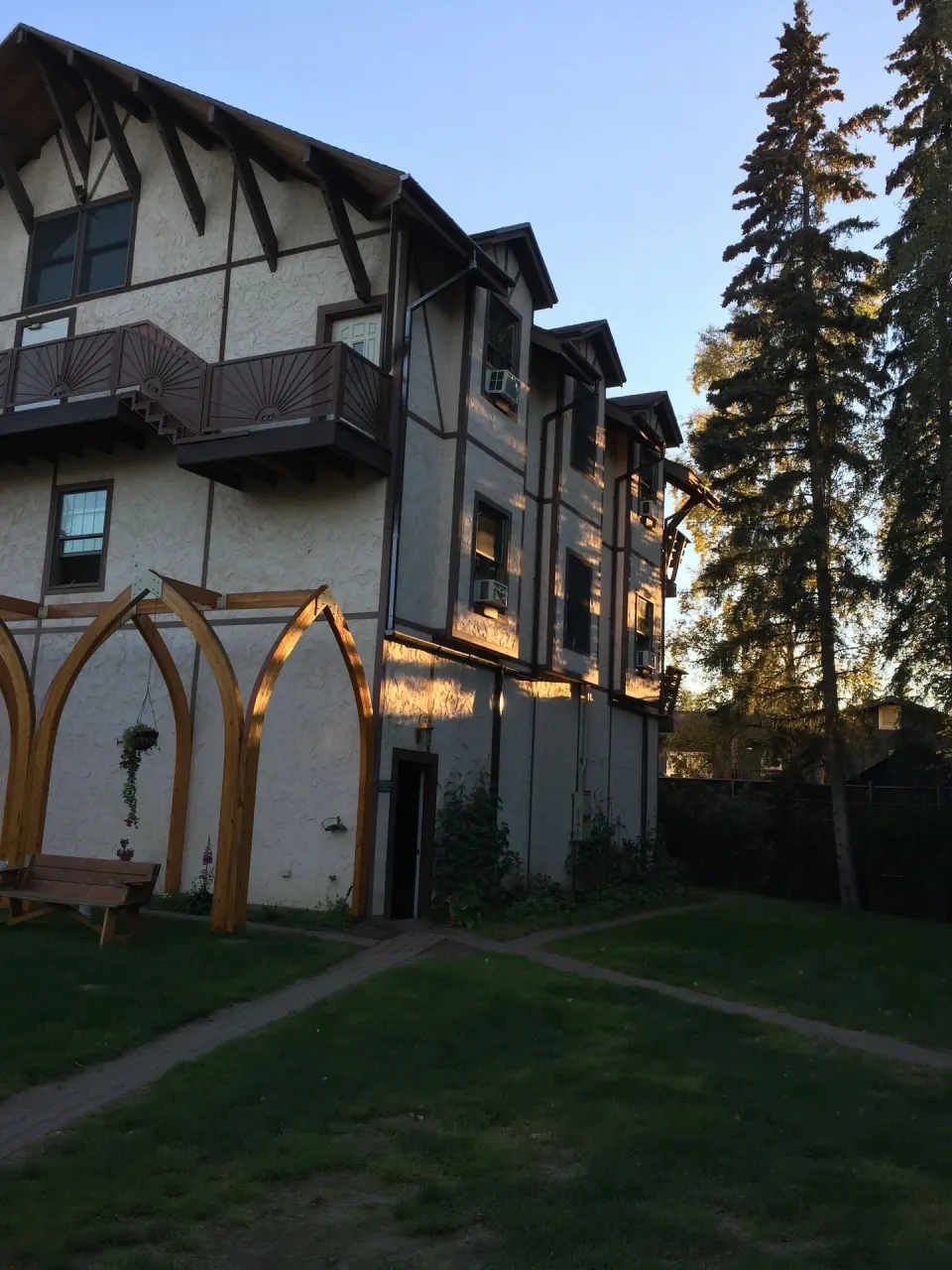
Abbey Archway Inn is an all-suites/extended-stay property at 4316 Birch Lane on Fairbanks’ west side near the University of Alaska Fairbanks. Rooms are offered as Studio Suite (1 Queen Bed) and Signature Suite (1 King Bed and 2 Twin Trundle Beds), and every unit includes a full kitchen and an in-room jetted tub.
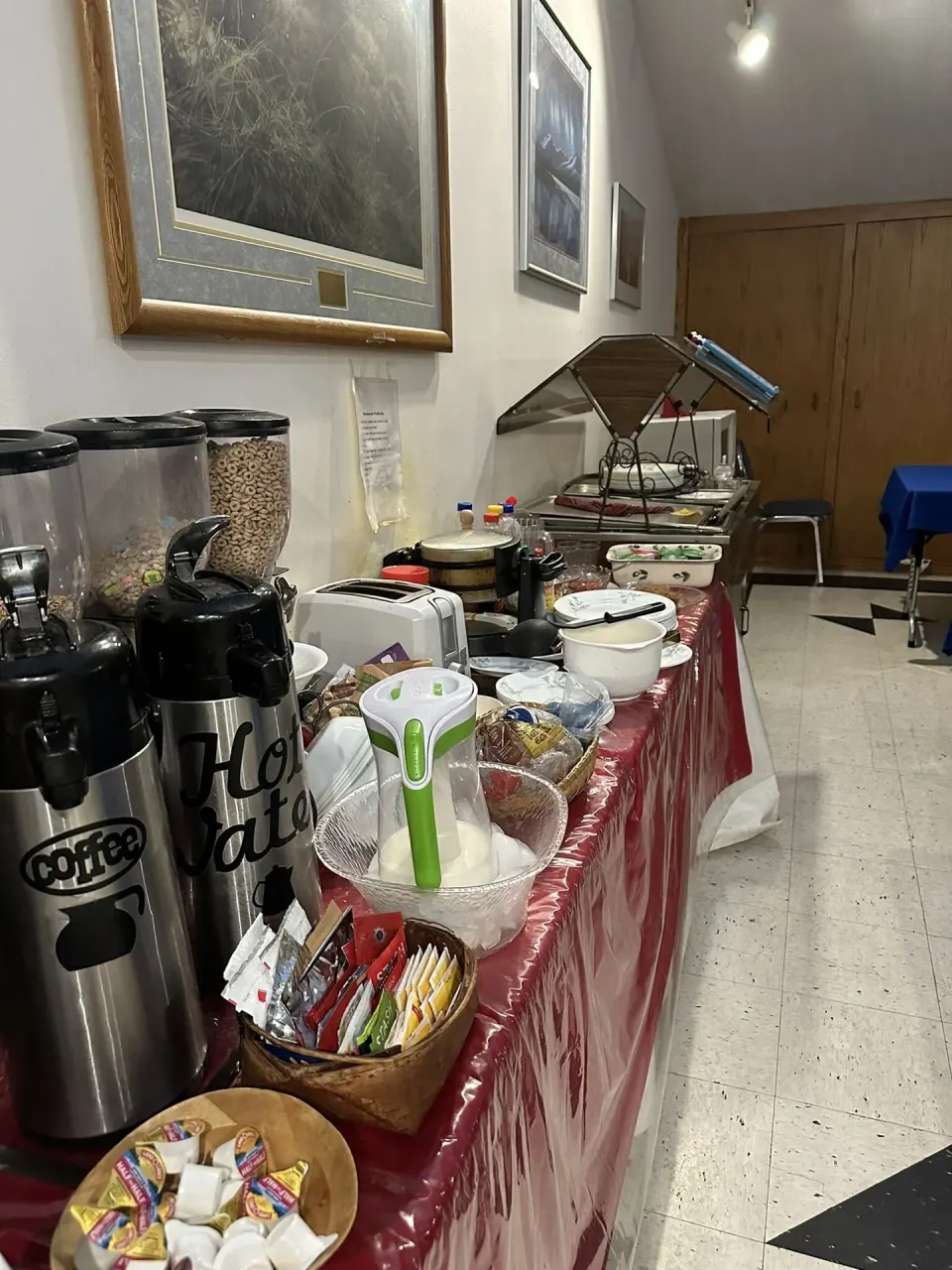
The inn provides practical, year-round amenities useful for different seasons: complimentary self-serve breakfast, free Wi‑Fi, laundry facilities, free off-street parking with winter engine-block plug-ins, and seasonal guest canoes and picnic/BBQ areas in summer.
- Self-serve breakfast daily (7:30–9:00 AM)
- Full kitchens in every Studio Suite and Signature Suite
- In-room jetted tubs in every room
- Free parking with winter plug-ins; no elevator on property
| Season | Top reasons to visit |
|---|---|
| Summer (Jun–Aug) | Warm weather, long daylight, hiking & canoeing |
| Aurora season (late Aug–Apr) | Northern Lights viewing on clear nights |
| Shoulder months (May–Jun, Feb–Mar) | Fewer crowds; mix of daylight and aurora opportunities |
Summer (June–August): Long days and outdoor activities
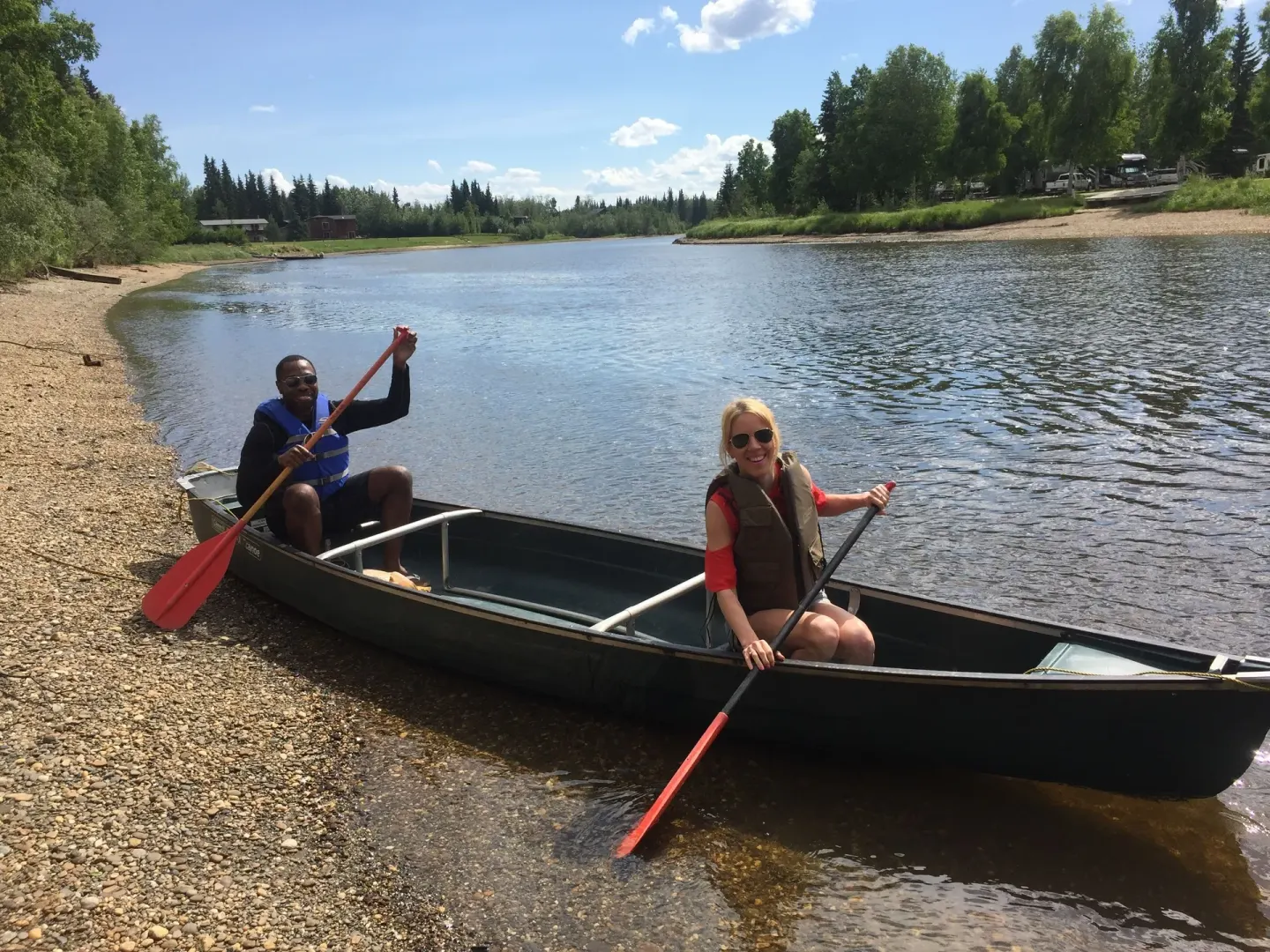
June through August brings the warmest weather in Fairbanks with long daylight hours — midsummer approaches roughly 20–21 hours of daylight — making it the easiest time for hiking, canoeing on the Chena River, and visiting Georgeson Botanical Garden (open seasonally).
The inn’s guest canoes, barbecue/picnic areas, and full in-room kitchens make self-catered summer stays convenient, and short drives take you to downtown Fairbanks and area day-trip attractions.
- Expect mild to warm daytime highs, occasional spikes into the 80s
- Best months for gardening and botanical visits (Georgeson Garden open Memorial Day–Labor Day)
- Long daylight limits aurora viewing during these months
| Activity | Why summer is good |
|---|---|
| Canoeing | Guest canoes available; Chena River is steps away |
| Hiking/Biking | Trails and parks accessible with long daylight |
| Botanical garden visits | Georgeson Botanical Garden is open during summer |
Aurora season (late August–April): When to aim for the Northern Lights
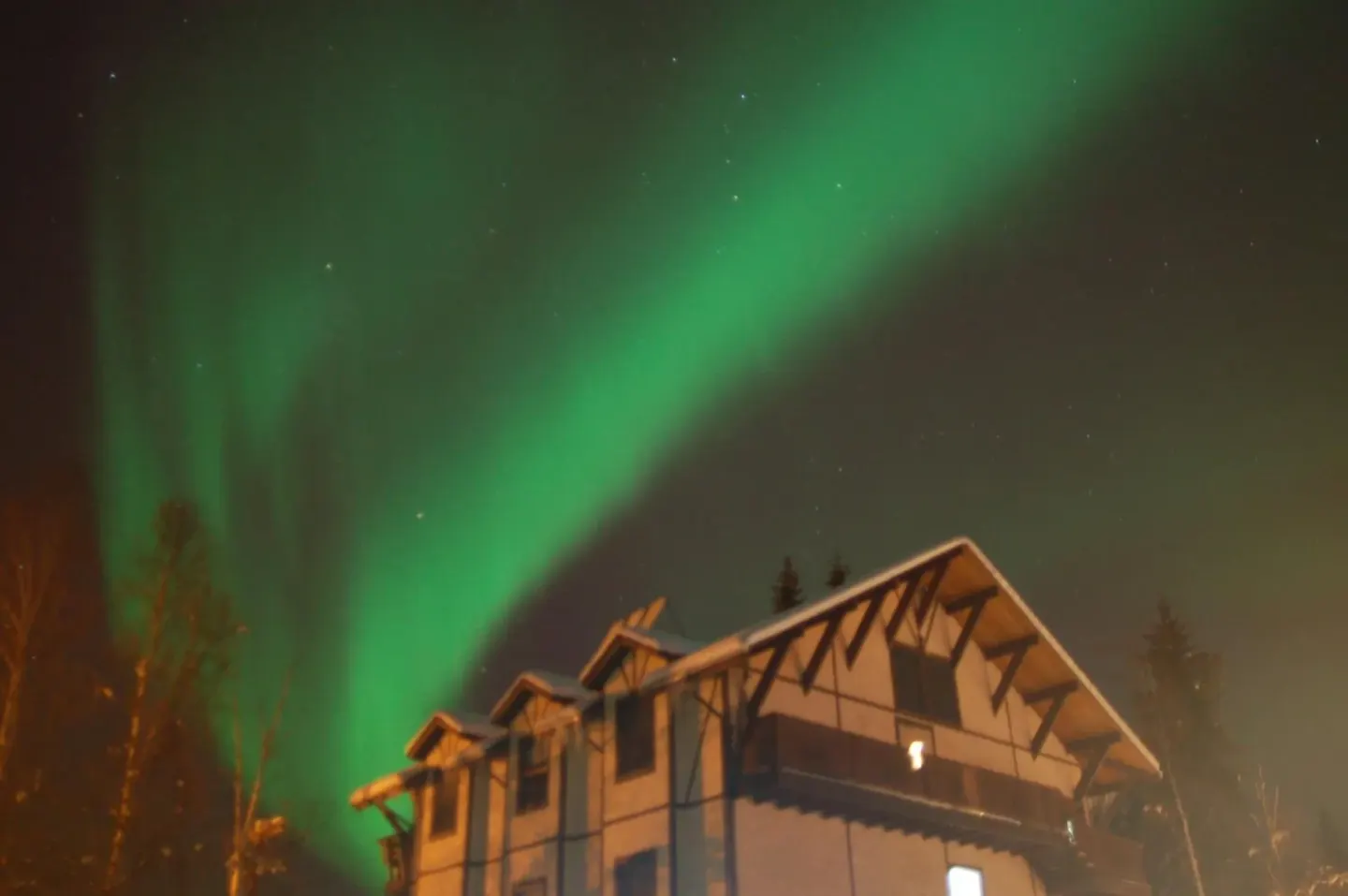
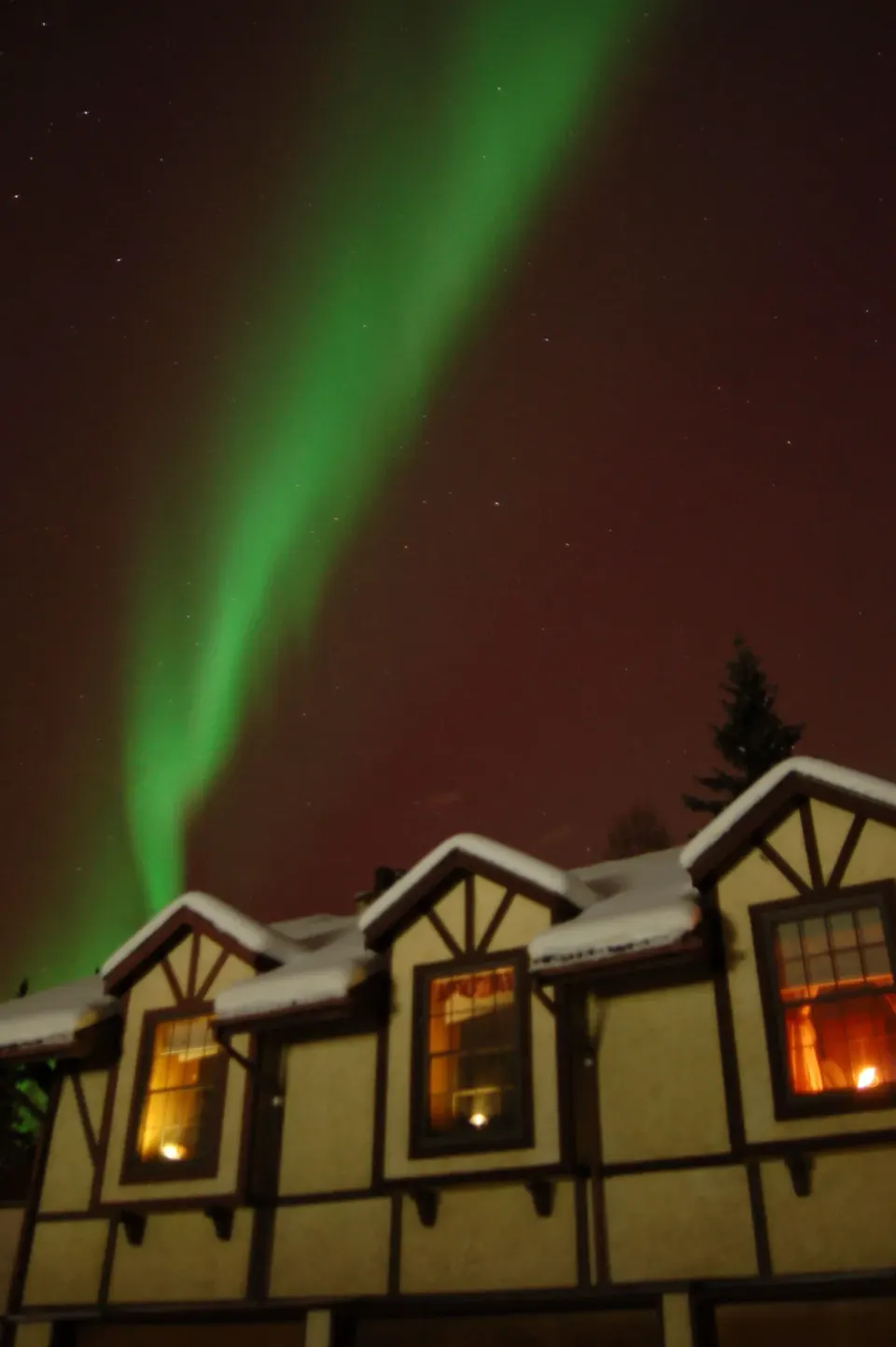
Fairbanks’ aurora season runs roughly August 21–April 21. Peak aurora activity and the most hours of darkness typically occur September through March, with the darkest nights in December and January offering the longest windows for viewing.
Abbey Archway Inn sits close to the Chena River and offers easy access to darker skies nearby; guests commonly combine on-site viewing with guided aurora tours. A stay of three or more nights improves your odds of catching a clear-night display.
- Best odds for aurora: Sep–Mar (peak activity and long nights)
- Darkest months: Dec–Jan (most hours of darkness)
- Late Feb–Mar often preferred by visitors who want milder nights with still-long evenings
| Month group | Aurora viewing notes |
|---|---|
| Sep–Nov | Nights grow longer; good balance of temperature and darkness |
| Dec–Jan | Longest, darkest nights — excellent visibility when skies are clear |
| Feb–Mar | Long nights remain but temperatures can be less extreme |
Winter (December–February): Cold, dark—and strong aurora potential
Winters in Fairbanks are cold with long hours of darkness. Daytime highs often sit near single digits (°F) and nights can be well below freezing; dress and vehicle preparation for severe cold are essential.
If your priority is aurora photography and maximum nightly darkness, December and January offer top conditions. Note that Abbey Archway Inn provides winter engine-block plug-ins in the parking area to help with vehicle starts on very cold mornings.
- Prepare for very low temperatures and possible snow-covered roads
- Use the inn’s winter parking plug-ins for cold-weather starts
- No on-site shuttle verified; plan airport transfers or car rental in advance
| Consideration | Practical tip |
|---|---|
| Cold vehicle starts | Use winter engine-block plug-ins in parking area |
| In-room comfort | Every unit has a jetted tub for a private warm soak |
| Access to attractions | Some tours/day trips may run on reduced schedules in deep winter |
Spring and early fall (March–May, September–October): Shoulder seasons
Shoulder months vary by focus: spring (April–May) moves quickly from snow to milder temperatures and is a good time for lower crowds and early-season wildlife activity; early fall (September–October) brings nights dark enough for aurora viewing while daytime temperatures are still tolerable.
Both shoulder periods can offer lower rates and fewer visitors than peak summer, while preserving easy access to local attractions. Georgeson Botanical Garden opens for the summer season around Memorial Day weekend, so late spring is best for garden visits.
- May–June: thawing conditions, bird migration, quieter trails
- September–October: aurora returns, cooler days, colorful fall foliage in some areas
- Check local road and tour schedules in shoulder seasons as services can vary
| Month | Good for |
|---|---|
| May–Jun | Early summer daylight without midsummer crowds |
| Sep–Oct | Aurora viewing with fewer tourists than winter peak |
| Mar–Apr | Transition from winter—possible lingering snow, increasing daylight |
Practical tips: Picking dates, rooms, and what to pack
Choose dates based on what you want to do: July–August for warm daylight activities; Sep–Mar for aurora viewing. Keep in mind the inn has no elevator, so request ground-floor access if stairs are a concern when booking.
Use the on-site kitchens in either Studio Suite or Signature Suite to prepare meals during your stay—this is especially helpful in winter or for families who prefer self-catering.
- Room choice: Studio Suite for a compact queen room with kitchen; Signature Suite for larger groups or families (king + 2 twin trundles)
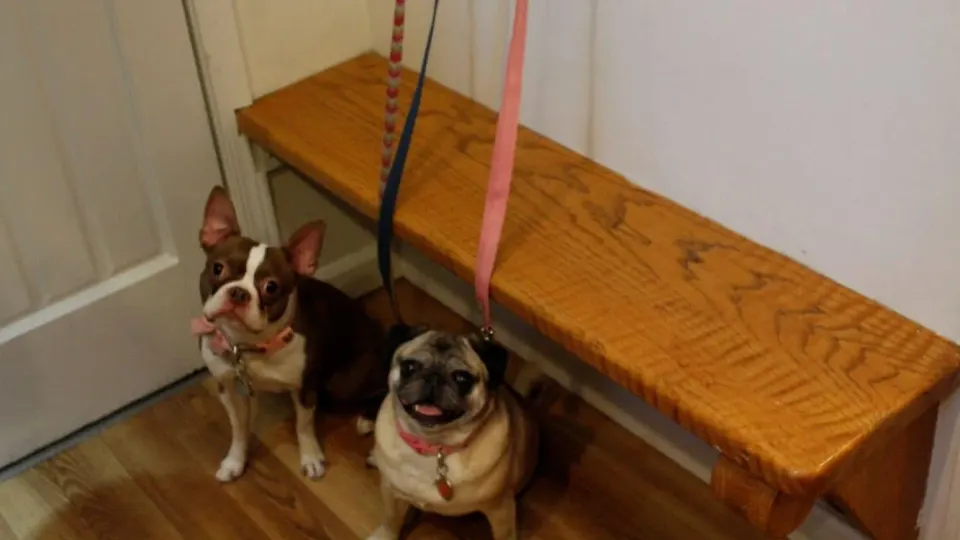
- If traveling with a pet, book one of the designated pet-friendly suites or studios and check pet fee policies before arrival
- Bring layered clothing for variable interior-Alaska conditions; pack a warm jacket, hat, and footwear for winter months
- Allow 3+ nights for a good chance to see the aurora during aurora season
| Booking concern | Tip |
|---|---|
| Check-in location | You may check in at an office building separate from your room—confirm directions before arrival |
| Parking | Free off-street parking with winter plug-ins available |
| Breakfast | Complimentary self-serve breakfast is served daily (7:30–9:00 AM) |